Too often I've seen new employees getting lost in the new organization. They were not properly introduced and didn't clearly knew what their manager expected from them.
The results of this unprofessional approach are
- loss of motivation
- good people leaving your company soon after they got hired
- loss of efficiency and money
- bad reputation on the market
To support you in shaping a well structured training plan for your new hires, I wrote this practical workbook that guides you step by step through the process to develop a solid trianing plan for your new hire.
Discover your free download of this workbook on www.d-comma.com
- English version : click here
- Dutch version : click here
For more information on this topic, don't hesitate to contact me on pim@d-comma.com
This blog is a collection of my ideas and believes on things I do and observe in organizations where I work. I would like to share these ideas with you and hope to get your reaction on it.
Friday, June 21, 2013
Thursday, June 20, 2013
10 Tips to be a successful professional
Based on my personal observations and literature study I would like to share my best tips with you :
- When people nag all day about their job, they have 2 possibilities : Do something about it and take action, or stop nagging. Keeping on nagging about it and not taking any action, will not improve the situation !
- Stop looking for excuses outside your own circle of influence. The greatest opportunities to improve your satisfaction are inside your circle of influence. (or with the words of Michael Jackson : "I'm starting with the man in the mirror to create change")
- When things go wrong you can react in 2 different ways : You can start looking for someone to blame (= digging & living in the past) or you can use this situation to learn from it and avoid making the same mistake twice (= shaping a better future). I don't know what you prefer, but I definitely prefer to shape a future. I'm not an archeologist.
- 99% of the people in organizations have good intentions. Perhaps they need better guidance to turn these intentions into results. The remaining 1% shouldn't have been hired.
- If you are a manager, dare to take decisions. Employees hate it when managers don't dare to take decisions. Not daring to take decisions is like a yellow light ; should I brake or should I dare to speed up ? Employees don't like the uncertainty.
- There is huge potential in your team. Delegate, coach, support and you'll discover talents you've never expected.
- Motivation starts within yourself. If you don't know how to motivate yourself, then don't expect anybody else to motivate you. Decide and discover what you want to do.
- Put yourself constantly in your stretch zone. By doing so, you will force yourself to grow every day. Don't overstretch. You have plenty of time to grow and nobody will blame you if you are not a CEO of a multinational at the age of 27.
- Give constructive feedback to people and be open to receive feedback. Feedback is breakfast for champions.
- Surround yourself with people you can learn from. They will make you smarter as well.
Maybe you don't agree on the above mentioned tips. I just want to share them with you and I can tell you they worked for me.
But never forget : If it is to be, it is up to me !
Thursday, June 13, 2013
What is your excuse for not being brave ?

I woke up early this morning and enjoyed the silence of our home to read a book by Seth Godin. There was one particular paragraph that struck me :
If it would be easy or normal to be brave, then everybody would be brave.
When things go wrong, everybody has a gigantic list of excuses. And by using these excuses we say "It was impossible to be brave". My point is that we should STOP RIGHT NOW inventing excuses in advance in case things go wrong. We should SHOW BRAVENESS, BEFORE THINGS GO WRONG !
(free translation from Seth Godin's Linchpin - dutch version)
He is soooooo right. Sometimes I get a feeling certain managers have a huge talent at inventing all of these excuses and blaming others. But not only managers. People in general. And by writing this down, it reminds me of the difference between managers and leaders.
Managers try to control things, and when things go wrong, they do damage control.
Leaders show braveness. They dare. They challenge life and they don't settle for mediocrity. They believe in what they do, take the blame on them when things go wrong and learn from their mistakes.
People prefer leaders above managers, because they push us forward, instead of pulling us backwards.
My question to you : What is your choice ? Do you manage your life, or do you lead your life ?
Sunday, May 26, 2013
Live your life !
How do you look at life ? Are you an optimist ? Do you see and grab the opportunities in life ? Or do you rather prefer to complain and focus on problems ?
In 2009 a group of 3 people started a project (Holstee Manifesto). They made a clear statement and urge everybody to have more focus on opportunities and enjoy life. The message is extremely strong and puts a lot of responsibility with YOU ! Don't blame anybody if things don't go the way you want them to be. It might take some courage and it might scare the hell out of you, but in the end you'll realize you had a great life. You didn't stay in a job you never liked. You didn't invest too much time on people you don't want to hang around with. You didn't spend most of your evenings watching TV.
No, you stood up and enjoyed life. So my message to you, get up and do something with your life.
Watch this movie
Print this poster and put it on the wall of your office.
In 2009 a group of 3 people started a project (Holstee Manifesto). They made a clear statement and urge everybody to have more focus on opportunities and enjoy life. The message is extremely strong and puts a lot of responsibility with YOU ! Don't blame anybody if things don't go the way you want them to be. It might take some courage and it might scare the hell out of you, but in the end you'll realize you had a great life. You didn't stay in a job you never liked. You didn't invest too much time on people you don't want to hang around with. You didn't spend most of your evenings watching TV.
No, you stood up and enjoyed life. So my message to you, get up and do something with your life.
Watch this movie
Print this poster and put it on the wall of your office.
It is your life, so enjoy it !
Saturday, May 18, 2013
Improve the desire to learn with low qualified workers (research + case study)
Last Thursday I organized with VOV and HUB a conference on how to create a learning climate where people are more eager to learn. We had a special focus on some specific target groups like elder employees and low qualified workers.
In this blogpost I will share a best practice and a PhD Study on how to make low qualified employees more eager to learn. The best practice was presented by Peter Tavernier (Colruyt group) and the Study was done by Dr Eva Kyndt (University Leuven and University Antwerp). I will add some of my personal insights on the topic as well.
What are low qualified workers ?
Low qualified workers are people without any higher education. They often quit school at the age of 18 with or without any degree. Since many of these people struggled hard in highschool they are not always very eager to learn. They often developed a low self-esteem, because they were confronted by remarks like "that is too difficult for you", "you will never be able to learn this", ... When I'm working with these groups often they start turning around on their seats after half an hour, because they are simply not used to sit down in a classroom, they want action.
Despite all this, many of these people have enough potential in them to become a good professional, if they receive the right support and if the organization uses the right approach.
After all, organizations have all interest to invest in the development of this group of employees as well so they acquire the necessary technical skills, safety skills and perhaps over time even people management skills.
What does research tell us ?
Low qualified workers often don't have any experiences in discussing their personal strengths. Too often their surroundings always focused on their weaknesses instead of the opposite. Because of this, they have a low self esteem as learners and there is few or no learning intention.
The research of dr Eva Kyndt indicated a number of success factors to improve the learning intentions of this group :
Case Colruyt distribution center
The Colruyt distribution center employs a large group of blue collar workers, often low qualified workers. Colruyt group developed a solid program to train and develop this group.
The Colruyt vision on people development :
They start from a strong believe where they believe in the potential of each and every individual who enters the organization. Everybody has certain qualities (perhaps not discovered yet). Next they make sure everybody is supported by a teamleader / manager / coach with whom they frequently meet to discuss their professional development. They create a strong feeling of coherence between all employees (although there are a lot of ethnic differences on the same work floor. These are only the 2 first blocks in a value system of 10 blocks in total that are all focused on delivery to the customer.
Strong values
Colruyt defined 4 values for their learning culture :
From new employee to strong professional worker
Since communication is important to succeed with this program and there are many different nationalities in the organization, Colruyts demands everybody has at least a minimum skill of Dutch or French.
Everybody starts in the same job (warehouse worker), and once you can do this job well, people can apply to learn a new side-task (handling on computer, procedure, safety handlings, ...). Based on the willingness to acquire new side-tasks they can keep on moving up in the organization.
It is clear they put the responsability to learn new skills with the employee. Through this approach, they encourage peoples will to learn, instead of having to learn. (Inside out learning instead of outside in learning)
Development interview
All employees have an annual meeting with their teamleader to further develop their professional skills. Colruyt developed a easy to use document that helps employees to discuss their personal development and ambition.
The doccument contains the following topics :
What can we learn from this
In this blogpost I will share a best practice and a PhD Study on how to make low qualified employees more eager to learn. The best practice was presented by Peter Tavernier (Colruyt group) and the Study was done by Dr Eva Kyndt (University Leuven and University Antwerp). I will add some of my personal insights on the topic as well.
What are low qualified workers ?
Low qualified workers are people without any higher education. They often quit school at the age of 18 with or without any degree. Since many of these people struggled hard in highschool they are not always very eager to learn. They often developed a low self-esteem, because they were confronted by remarks like "that is too difficult for you", "you will never be able to learn this", ... When I'm working with these groups often they start turning around on their seats after half an hour, because they are simply not used to sit down in a classroom, they want action.
Despite all this, many of these people have enough potential in them to become a good professional, if they receive the right support and if the organization uses the right approach.
After all, organizations have all interest to invest in the development of this group of employees as well so they acquire the necessary technical skills, safety skills and perhaps over time even people management skills.
What does research tell us ?
Low qualified workers often don't have any experiences in discussing their personal strengths. Too often their surroundings always focused on their weaknesses instead of the opposite. Because of this, they have a low self esteem as learners and there is few or no learning intention.
The research of dr Eva Kyndt indicated a number of success factors to improve the learning intentions of this group :
- the way we look at this group - believe in their potential
- put learning as fast as possible into action - action oriented learning
- give people autonomy to shape their professional ambition and their learning and support them on these ambitions
- open the learning techniques, there is more than classroom trainings.
The research indicated that positive experiences with learning activities are a good indicator for future willingsness to learn more.
These finding are in line with my own believe (and previous blogpost) on the K5F model that I developed (see below).
The K5F model says we need more than just knowledge to put learnings into action. The 5F's that help you from knowing to showing are :
- Focus : don't learn 10 things at a time, go step by step. You can only eat an elephant piece by piece. Low qualified workers learn easier if you give them smaller pieces and go step by step. Don't forget to tell them regularly that they are eating an elephant, so they keep the big picture in mind and know what's still to come.
- Faith : help people to grow their faith. "oh no, that is too difficult for me" shouldn't be an excuse. Help people to grow in their stretch zone by giving them the necessary faith.
- Fire : once people have enough fait, the fire to keep on using these new skills are present and you can start with a new focus to grow.
- Feedback from a coach is important during the learning process to make sure you do the right things right.
- Fun - make sure people injoy the learning moment. We all remember how easy it was to learn things we enjoyed and how hard it was when we were not interested or willing to learn a new skill.
Case Colruyt distribution center
The Colruyt distribution center employs a large group of blue collar workers, often low qualified workers. Colruyt group developed a solid program to train and develop this group.
The Colruyt vision on people development :
They start from a strong believe where they believe in the potential of each and every individual who enters the organization. Everybody has certain qualities (perhaps not discovered yet). Next they make sure everybody is supported by a teamleader / manager / coach with whom they frequently meet to discuss their professional development. They create a strong feeling of coherence between all employees (although there are a lot of ethnic differences on the same work floor. These are only the 2 first blocks in a value system of 10 blocks in total that are all focused on delivery to the customer.
Strong values
Colruyt defined 4 values for their learning culture :
- Miztakes ar alawed (mistakes are allowed) - they are considered learning opportunities
- We start from strenghts not from weaknesses
- We don't put people under pressure all the time
- We look together what's important for me
From new employee to strong professional worker
Since communication is important to succeed with this program and there are many different nationalities in the organization, Colruyts demands everybody has at least a minimum skill of Dutch or French.
Everybody starts in the same job (warehouse worker), and once you can do this job well, people can apply to learn a new side-task (handling on computer, procedure, safety handlings, ...). Based on the willingness to acquire new side-tasks they can keep on moving up in the organization.
It is clear they put the responsability to learn new skills with the employee. Through this approach, they encourage peoples will to learn, instead of having to learn. (Inside out learning instead of outside in learning)
Development interview
All employees have an annual meeting with their teamleader to further develop their professional skills. Colruyt developed a easy to use document that helps employees to discuss their personal development and ambition.
The doccument contains the following topics :
- people at work or outside work say I have great qualities in the following domain :
- Concerning my job :
- where can I use these qualities ?
- What tasks make me feel less comfortable ?
- What can I do to be less comfortable ?
- Concerning my future
- How do I see my personal development ?
- What can I learn to make this happen ?
- Development plan : putting things into action
The greatest asset of this document is that they open the discussion between employee and his manager and make sure personal ambitions are taken into account.
To conclude :
Colruyt defined 6 succes factors for developing low qualified employees and turning them into strong professionals :
- Believe in the potential of all employees
- Be clear in your goals
- Create opportunities for professional growth
- Put the focus on training on the job
- Support these workers through good team-leaders
- Create moments to discuss personal "maintenance"
What can we learn from this
Thursday, May 2, 2013
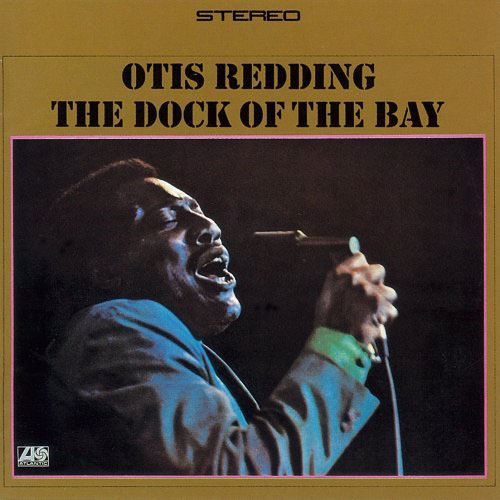
The Otis Redding syndrome - focus to improve learning results.
In previous blogs I wrote about the need for focus to improve learning results. (click here for previous blogposts on the topic)
Recently Luc Galoppin and Bob Sutton explained the Otis Redding syndrome on their blogs. It is a very strong metaphor to explain why sometimes people with good intentions sometimes get paralyzed because of an overload of opinions and politics. And in the end, they don't change, because the choose for the well known comfort zone they've been in for the last 10 years.
In his world famous song "The dock of the bay", Otis Redding sings
"I can't do what 10 people tell me to do
so I guess I remain the same"
In learning we can also apply this syndrome. If someone is trying to learn a new skill, while 10 people are giving their opinion on how the person is trying to adapt the new skills, the person will get confused and frustrated and in the end he might stop learning and just remain the same.
Can you imagine what happens if a football team is built of 11 coaches and only one football player ? Luckily it is the other way round or the poor player would be lost even before he sets one foot on the green.
So if you want to help people in their learning, make sure feedback is given in a positive, clear way, by one person.
And for the music lovers, push the button below and listen to this fantastic song :
Wednesday, May 1, 2013
How social media can improve the learning culture in your organization
When I talk with professionals about the use of Social Media, I often get the feeling they don't know what to say ; should they embrace it ? should they ban it ? They often don't have the answer and it feels like a love / hate relationship.
Over the past years many organizations carefully started using Social Media in marketing to communicate with customers, in employer branding to build up an image to attract new talent or in providing information about products and services.
Only very few organizations embraced Social Media to improve learning in their organization. Why ? There are probably a wide variety of reasons. Studies showed a number of obstacles to use Social Media in learning :
- Perceived lack of value
- Not enough impact on content generated
- Fear for sharing business information to the world
- Lack of expertise on how and when to use Social Media in learning
- Difficult to measure the benefits
I understand these concerns. We are just at the beginning of integrating social media in learning. Columbus would have never discovered the Americas if he stayed in coastal waters. Sometimes we have to dare to step out of our comfort zone and discover new things.
We can't deny the benefits of social media anymore. Tools like twitter, google, linked in, youtube, ... were once nouns. Today they became verbs, because sooooooo many people use them every day. If you don't know something, you google it. If you want to share something, you blog or tweet it. If you want to meet interesting professionals, you look on linkedin and perhaps you join a discussion group on the topic you want to learn about.
Many Social media were once nouns. Today they are verbs. We can't ignore them anymore and we have to embrace them.
How can you implement Social Media in your Learning environment ?
Step 1 : Create a mind shift from training to learning.
Too often I still hear people only talk about (classroom)training. These are the only formal ways to train people and make them learn. According to Charles Jennings this formal way of learning is only 10% of our learning portfolio. 20% of what people learn comes from other people through interactions like coaching. The last 70% of what people learn is through experience and doing the job.
I believe the way people use Social Media is an important part of this 70% learning. We google, youtube, share, like, ... and unconsciously we learn by using these tools.
Be aware of these learnings. They can be as important as any other (formal) training you attend.
Step 2 : Don't open the gates all the way at once. Start small to become a giant.
If you want to start using Social Media as a part of your learning environment, start small. Don't use all social media at once, but choose one or two tools that might help you. Try it out and discover what happens. Try it with a test group of people who already believe in it, but also people who can ask difficult questions. Learn from these experiences and move on.
Step 3 : Help people to join you
Many people already have a linkedin or facebook account (If Facebook was a country, it would be the 3th biggest nation after China and India). But there are still many people who don't have an account yet. Help them to find their way through the labyrinth of social media. Help them with security settings of their account. Tell them what they can do themselves. Turn them into social media likers.
Step 4 : Create and share content with added value
There is an enormous amount of information available on the internet. It can be important to help people in your organization to find information with added value. Maybe it comes from a solid source. Maybe you created it. Maybe somebody in the organization wants to share something. By sharing content with added value, more people will be willing to use social media as a learning tool.
Step 5 : Invest in digital wisdom of your colleagues
There is a lot of information available, too much. Not all information is as valuable. We need to help people in searching social media and use them in a smart way. Don't accept anything you read (what about this article ?)
To conclude
Schools are already embracing social media to make their students more eager to learn. Organizations will have to follow, because their employees already do use social media to learn (unconsciously). I see organizations carefully discover the benefits of tools like youtube, linkedin, wikipedia, ... to create a stimulating learning environment, and I believe we should continue on this new adventure.
Play, discover and learn with social media.
In one of my previous blogs I already explained how some companies use social media today. Find out more about it on : http://d-comma.blogspot.be/2012/10/how-kbc-bnp-and-alcatel-lucent-use.html
Subscribe to:
Posts (Atom)